



Close Menu
 VONa Communications VONa Communications
  • Home
  • News
  • Politics
  • Business/Economy
    • Oil $ Gas
    • Tech
    • Energy
  • Crime
  • Entertainment
    • Celebrity News
    • Fashion & Style
  • Sports
  • World News
    • Across Africa
    • US News
    • UK News
    • Europe
    • Asia News
  • More
    • Current Affairs
    • Education
    • Fashion
    • Press Release
    • Opinion

Subscribe for Updates

Get the latest news from Voice of Naija about Politics, current affairs, Sports, business etc.

What's Hot

Big Mimz Calls Lagos Dating Scene A Scam

November 10, 2025

NDLEA Nabs Saudi-Bound Drug Kingpin, Dismantles Lekki Lab

November 10, 2025

Wike Gives Defaulting FCT Property Owners 14 Days To Pay N5m Land-Use Penalty

November 10, 2025

Edo Approves N1bn Soft Loans To Boost Market Women’s Businesses

November 10, 2025
Facebook X (Twitter) Instagram
 VONa Communications VONa Communications
  • Get In Touch
  • About Us
Facebook X (Twitter) Instagram
SUBSCRIBE
  • Home
  • News
  • Politics
  • Business/Economy
    • Oil $ Gas
    • Tech
    • Energy
  • Crime
  • Entertainment
    • Celebrity News
    • Fashion & Style
  • Sports
  • World News
    • Across Africa
    • US News
    • UK News
    • Europe
    • Asia News
  • More
    • Current Affairs
    • Education
    • Fashion
    • Press Release
    • Opinion
 VONa Communications VONa Communications
Home»Business & Economy»Agric Sector Contributes 24% To GDP
Business & Economy

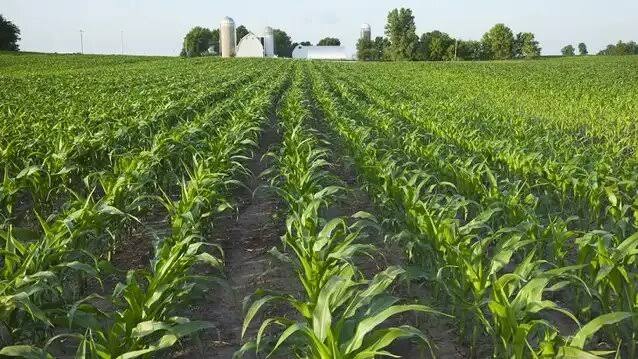
Agric Sector Contributes 24% To GDP

Tanko LamiBy Tanko LamiMarch 27, 20242 Mins Read
Facebook Twitter Pinterest LinkedIn Tumblr Reddit WhatsApp Email
NADF
Agric Sector Contributes 24% To GDP
Share
Facebook Twitter LinkedIn Pinterest WhatsApp Email

LAGOS, Nigeria (VOICE OF NAIJA)-During a recent workshop in Abuja focused on climate resilience in agriculture, the Permanent Secretary of the Federal Ministry of Agriculture and Food Security, Mr. Temitope Fashedemi revealed that Nigeria’s agricultural sector contributes a substantial 24% to the country’s Gross Domestic Product (GDP).

The workshop aimed to address the challenges posed by Short-Lived Climate Pollutants (SLCPs) in the agricultural sector, emphasising the need for sustainable practices to mitigate climate change effects.

Represented by the Director of Agricultural Lands and Climate Change Mr. Osadiya Olanipekun, at the ministry, Fashedemi underscored that agriculture employs over 70% of the population, predominantly smallholder farmers. 

He stressed the critical need for climate resilience in the sector, given its pivotal role in the nation’s economy and food security.

“While the Ministry of Agriculture is tasked with developing the agricultural sector to drive income growth and accelerate food and nutrition security, climate change poses additional challenges.

READ ALSO: Improved Agriculture Will Curb Insecurity, Inflation, Food Challenges – Peter Obi

“Addressing climate change is paramount to transforming the sector into a climate-smart system that ensures both food security and environmental sustainability,” stated Fashedemi. 

Traditionally, open burning has been utilized as a cost-effective method for agricultural management. However, Nigeria is among the countries committed to reducing Short-Lived Climate Pollutants (SLCPs) to mitigate the effects of climate change. This commitment aligns with the nation’s efforts to foster low-carbon development and emissions reduction goals.

Mrs. Joy Aderele, the Country Director of Self Help Africa, Nigeria, emphasized the dangers posed by SLCPs, highlighting their negative impacts on human health, agriculture, and ecosystems.

The 18-month pilot project aims to work with 500 farmer participants and 45 agricultural extension officers across Nigeria’s geopolitical zones to reduce open burning.

Gboko Local Government Area in Benue State has been selected as a pilot site to demonstrate successful approaches to reducing open field burning. The Project Manager at Self Help Africa, Mr. Julius Awu, outlined the objectives of the SLCPs project, emphasizing its contribution to Nigeria’s sustainable development goals and emissions reduction targets.

Previous ArticleHow Boy Killed Parent, Sibling With A Knife
Next Article Senator Ndume Condemns 2024 NAHCON’s Hajj Fee
Tanko Lami

Related Posts

Edo Approves N1bn Soft Loans To Boost Market Women’s Businesses

November 10, 2025

FG Seeks Fresh $500m World Bank Loan To Boost MSME Financing

November 9, 2025

Bank Recapitalisation Key To Achieving $1 Trillion Economy- CBN

November 7, 2025

Nigeria’s FX Reserves Projected To Hit $45bn In 2025 – Report

November 7, 2025

Senate Clears Air Peace Of Negligence In Drug Allegations Case

November 7, 2025

NUPRC Chief Says New Offshore Facility Will Boost Nigeria’s Oil Output

November 7, 2025

Sanwo-Olu Seeks National Support For Tinubu, Dangote Refinery Project

November 5, 2025

Apapa Customs Sets New Record With N304bn October Revenue

November 4, 2025

Edun Pledges Sustained Stakeholder Engagement Ahead Of 2026 Tax Acts

November 3, 2025
Leave A Reply Cancel Reply

You must be logged in to post a comment.

The Tinubu Administration Timeline: Notable Events, Engagements and Milestones
Advertise with us
[instagram-feed feed=1]
 VONa Communications
Facebook X (Twitter) Instagram YouTube
  • Contact
  • Authors
  • About Us
© 2025© VONa Communications. All Rights Reserved

Type above and press Enter to search. Press Esc to cancel.