


Close Menu
 VONa Communications VONa Communications
  • Home
  • News
  • Politics
  • Business/Economy
    • Oil $ Gas
    • Tech
    • Energy
  • Crime
  • Entertainment
    • Celebrity News
    • Fashion & Style
  • Sports
  • World News
    • Across Africa
    • US News
    • UK News
    • Europe
    • Asia News
  • More
    • Current Affairs
    • Education
    • Fashion
    • Press Release
    • Opinion

Subscribe for Updates

Get the latest news from Voice of Naija about Politics, current affairs, Sports, business etc.

What's Hot

Int’l Women’s Month: How Food Environments Shape Nigerian Women, Girls’ Lives

March 14, 2026

Health Canada Probes Nigerian Student’s Sudden Death During Plasma Donation

March 14, 2026

NEMA Alerts Nigerians On Fire Risks, Heat Hazards Amid Rising Temperatures

March 14, 2026

What Empty Polling Units Say About Nigeria’s Democracy

March 14, 2026
Facebook X (Twitter) Instagram
 VONa Communications VONa Communications
  • Get In Touch
  • About Us
Facebook X (Twitter) Instagram
SUBSCRIBE
  • Home
  • News
  • Politics
  • Business/Economy
    • Oil $ Gas
    • Tech
    • Energy
  • Crime
  • Entertainment
    • Celebrity News
    • Fashion & Style
  • Sports
  • World News
    • Across Africa
    • US News
    • UK News
    • Europe
    • Asia News
  • More
    • Current Affairs
    • Education
    • Fashion
    • Press Release
    • Opinion
 VONa Communications VONa Communications
Home»World News»Asia News»Iran’s Government Pushes Back as More Women Forgo Hijab
Asia News

Iran’s Government Pushes Back as More Women Forgo Hijab

EditorBy EditorMay 10, 20233 Mins Read
Facebook Twitter Pinterest LinkedIn Tumblr Reddit WhatsApp Email
Share
Facebook Twitter LinkedIn Pinterest WhatsApp Email

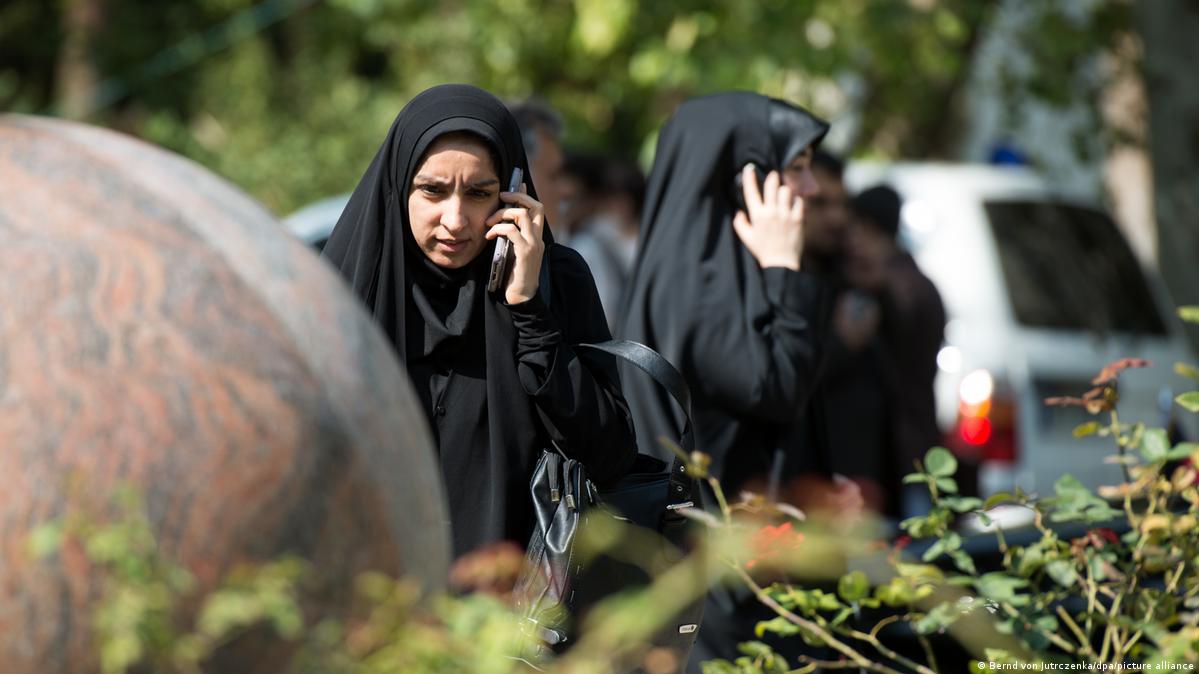
Despite Iran’s Supreme Leader Ayatollah Ali Khamenei declaration that “removing hijab is not Islamically or politically permissible”, for the first time since the chaotic days following the 1979 Islamic Revolution, more women — both young and old — choose not to do so.

Such open defiance comes after months of protests over the September death of 22-year-old Mahsa Amini in the custody of the country’s morality police, for wearing her hijab too loosely.

While the demonstrations appear to have cooled, the choice by some women not to cover their hair in public poses a new challenge to the country’s theocracy.

Billboards across Iran’s capital proclaim that women should wear their mandatory headscarves to honor their mothers. But the women’s pushback also lays bare schisms in Iran that had been veiled for decades.

Authorities have made legal threats and closed down some businesses serving women not wearing the hijab.

Police and volunteers issue verbal warnings in subways, airports and other public places.

Text messages have targeted drivers who had women without head covering in their vehicles.

However, analysts in Iran warn that the government could reignite dissent if it pushes too hard.

The protests erupted at a difficult time for the Islamic Republic, currently struggling with economic woes brought on by its standoff with the West over its rapidly advancing nuclear program.

Some women said they’ve had enough — no matter the consequence. They say they are fighting for more freedom in Iran and a better future for their daughters.

Some suggested the growing numbers of women joining their ranks might make it harder for the authorities to push back.

“Do they want to close down all businesses?” said Shervin, a 23-year-old student whose short, choppy hair swayed in the wind on a recent day in Tehran. “If I go to a police station, will they shut it down too?”

Still, they worry about risk. The women interviewed only provided their first names, for fear of repercussions.

Vida, 29, said a decision by her and two of her friends to no longer cover their hair in public is about more than headscarves.

“This is a message for the government, leave us alone,” she said.

Iran and neighboring Taliban-controlled Afghanistan are the only countries where the hijab remains mandatory for women. Before protests erupted in September, it was rare to see women without headscarves, though some occasionally let their hijab fall to their shoulders. Today, it’s routine in some areas of Tehran to see women without headscarves.

For observant Muslim women, the head covering is a sign of piety before God and modesty in front of men outside their families. In Iran, the hijab — and the all-encompassing black chador worn by some — has long been a political symbol as well.

AFP

Hijab Iran Women Mahsa Amini Tehran
Previous ArticleMan Shoots 3, Kills 1 Person in Detroit Gas Station Dispute Over $4
Next Article US Court Sentences Army Sergeant Who Fatally Shot BLM Protester In Texas To 25 Years
Editor

Related Posts

Quds Day: Iran Urges Justice For Palestinians

March 14, 2026

Dubai Residents Receive Missile Threat Alert

March 13, 2026

Death Toll Rises In Iran, Lebanon War As WHO Warns Health System Collapse

March 13, 2026

Iran War: Türkiye ‘On Side of Peace’ — Erdogan

March 12, 2026

Iranian President Demands Guarantees, Reparations To End War

March 12, 2026

Iranian Forces Target Bahraini Fuel Hub Near International Airport

March 12, 2026

Iran Vows Strikes On US, Israeli Economic Assets

March 12, 2026

Iran Demands Guarantees, Reparations As Condition To End War

March 12, 2026

Mid-East Conflict Worsens Plight of Afghan Children Returning From Iran -Unicef

March 11, 2026
Leave A Reply Cancel Reply

You must be logged in to post a comment.

Advertise with us
[instagram-feed feed=1]
 VONa Communications
Facebook X (Twitter) Instagram YouTube
  • Contact
  • Authors
  • About Us
© 2026© VONa Communications. All Rights Reserved

Type above and press Enter to search. Press Esc to cancel.